
How Does Listed Property Insurance Protect Your Historic Home?
5th Dec 25 · Last updated 17th Apr 26 · 9 MIN READHow Listed building (United Kingdom) insurance protects historic homes, covering specialist restoration, conservation requirements, and the unique risks associated with owning architecturally significant property.
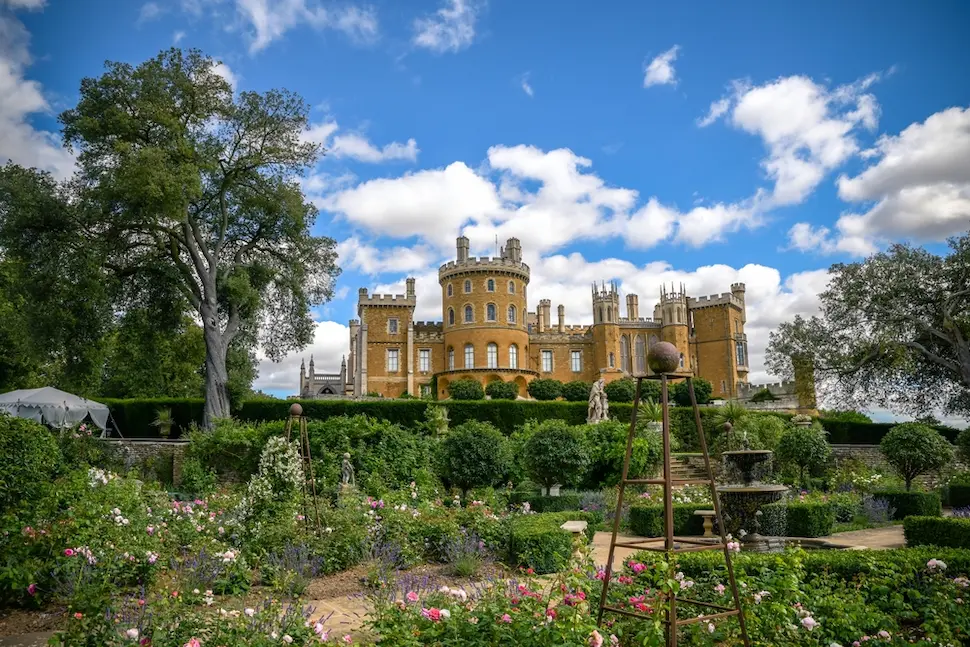
Owning a historic home is both a privilege and a responsibility. These architecturally significant properties often come with unique structural vulnerabilities, strict conservation requirements, and restoration challenges that standard home insurance simply cannot accommodate. From centuries-old materials to artisan-level craftsmanship, the risks and costs associated with maintaining a heritage property demand a far more specialised approach.
This is where listed property insurance becomes essential. Unlike standard home cover, listed property insurance is designed specifically for listed buildings, offering comprehensive protection that reflects the complexity, value, and irreplaceable nature of historic homes. It ensures that any restoration work complies with conservation laws, uses traditional materials, and preserves the integrity and long-term value of the property, something conventional historic home insurance or typical building policies rarely guarantee.
For high and ultra-high-net worth individuals who often own properties of exceptional cultural and financial value, the right heritage property insurance is crucial.
At Enness Global, we specialise in securing tailored insurance solutions for prestigious estates and listed residences worldwide, ensuring your historic home is protected with the precision, expertise, and discretion it deserves.
What Is Listed Property Insurance?
Listed property insurance is a specialised form of cover designed for homes officially recognised for their architectural, cultural, or historical importance.
Get in the Know
Subscribe to our newsletter
In the UK, a “listed building” is protected by law, meaning any repairs, alterations, or restoration work must meet strict conservation regulations. These rules often require approval from local authorities, the use of traditional construction methods, and specialist materials, conditions that significantly increase the cost and complexity of maintaining the property. This is why listed property insurance UK policies are fundamentally different from standard home insurance.
Whereas a conventional home insurance policy focuses on modern building standards and replacement costs, listed building insurance is tailored to the realities of restoring a heritage home to its original form. If the property is damaged, insurers must ensure repairs are carried out using authentic materials, whether that means hand-carved stonework, period-specific timber, or artisan craftsmanship no longer widely available. Policies typically cover specialist contractors, conservation assessments, and extended rebuilding timelines that reflect the intricacy of restoring a protected building.
Historic homes require this specialised insurance because they are irreplaceable assets. Standard insurers may decline claims or fail to cover the full cost of restoration if conservation rules limit repair options. Heritage property insurance coverage solves this problem by providing a policy that acknowledges regulatory requirements, the building’s unique features, and the true cost of faithful restoration. For owners of listed homes, particularly HNWIs and UHNWIs with high-value estates, having the correct protection is not optional; it’s essential for preserving the property’s legacy and long-term value.
Why High Net Worth Individuals Need Listed Property Insurance
For HNW and UHNW individuals, historic homes are far more than residences, they are investments in culture, craftsmanship, and heritage. These properties often carry exceptional financial value as well as significant historical importance, making them irreplaceable assets. Protecting them requires a level of cover that goes far beyond what typical home insurance or even luxury home insurance can provide. This is why specialist listed property insurance is critical for owners of high-value historic estates.
Historic homes come with risks that modern properties simply don’t face. Centuries-old structures can be more vulnerable to fire, damp, storm damage, and subsidence, and are often targeted for vandalism due to their prominence. Their age and construction methods can also mask hidden issues that only become apparent during essential repairs. When damage does occur, restoring a listed building is an intricate and costly process. Conservation rules may require the use of original materials, hand-crafted replacements, or highly specialised contractors, dramatically increasing repair costs compared to standard properties. Without the right insurance for historic estates, owners can be left with significant financial exposure.
Specialist listed property insurance ensures that every aspect of restoration complies with legal protections and maintains the integrity of the building. This level of protection is essential for HNWIs, whose properties often feature rare architectural details, valuable interiors, and bespoke craftsmanship. It also offers higher claim limits and more flexible coverage options than standard or expensive home insurance policies.
Key Features of Listed Property Insurance
Below are the key features that set this type of cover apart and make it essential for owners of protected homes.
Coverage for Traditional Materials and Specialist Craftsmanship
One of the most important features of listed property insurance is its commitment to authenticity. If your home is damaged, insurers must restore it using traditional materials and age-appropriate craftsmanship. This can include:
- Hand-cut stone, specialist lime plaster, or reclaimed timber
- Historically accurate roofing materials such as Welsh slate or handcrafted tiles
- Conservation-approved glazing, joinery, and structural work
- Period-appropriate ironmongery or decorative details
These materials and skills are typically more expensive and difficult to source, which is why standard insurance seldom provides adequate protection.
Legal and Professional Fees for Compliance
Repairs to listed buildings often require consultation and approval from conservation officers, surveyors, architects, and heritage professionals. Specialist listed property insurance usually covers:
- Conservation officer assessments
- Architectural and structural reports
- Planning permission fees
- Legal costs relating to listed building consent
This ensures that all restoration work complies fully with planning and heritage regulations, reducing delays and avoiding costly breaches.
Alternative Accommodation During Restoration
Major damage to a listed property, such as a fire or structural collapse, can take significantly longer to repair due to the need for specialist contractors and materials. Policies typically include generous provision for:
- Long-term alternative accommodation
- Temporary relocation costs for household staff
- Secure storage for valuable items during restoration
This is especially important for HNWIs who require continuity and comfort while their property is being professionally restored.
Flexible Limits for Valuable Contents
Historic homes often contain antiques, fine art, bespoke furniture, and rare collectibles. Specialist heritage home protection includes higher and more flexible limits for contents such as:
- Art collections and sculptures
- Antique furniture
- Period lighting, tapestries, and rugs
- Fine jewellery and valuables stored within the home
Many insurers also offer worldwide cover and automatic inclusion for newly acquired collectibles.
Specialist Claims Handling
When damage occurs, listed property claims require expertise and careful coordination. Insurers experienced in heritage properties offer:
- Dedicated claims managers
- Rapid assessment by conservation specialists
- Access to vetted restoration experts
- Negotiation with heritage authorities
This ensures your home is restored to its original condition with minimum stress and disruption.
How to Choose the Right Listed Property Insurance Policy
Protecting a listed or heritage property requires highly specialist insurance, expert guidance, and a clear understanding of conservation obligations. At Enness Global, we arrange bespoke listed property insurance tailored to the unique risks, regulations, and restoration requirements of historic homes, ensuring your investment is comprehensively covered.
Unlike standard home insurance, listed property insurance accounts for the higher costs and complexities involved in repairing or rebuilding properties with period features, traditional materials, and architectural significance. Because listed buildings require official consent for any repairs or alterations, your policy must cover specialist restoration, craftsmanship, and compliance with heritage regulations.
Choosing the right policy starts with an accurate assessment of your property’s rebuild value and specific risks. It’s essential to work with insurers who have experience in listed building insurance and heritage property risks. These specialist insurers understand the importance of authentic restoration and legal compliance, offering bespoke policies that cover everything from traditional materials and artisan labour to professional fees and alternative accommodation.
With over 15 years of experience and a global network of trusted insurers, we connect High Net Worth and Ultra High Net Worth clients to tailored insurance solutions designed specifically for listed and historic properties. Our expert team guides you through the process, helping you secure the right coverage while navigating the complexities unique to heritage estate protection.
Conclusion
Protecting a historic home demands more than standard insurance, it requires specialised listed property insurance that recognises the unique restoration challenges, legal requirements, and irreplaceable value of heritage properties. This tailored protection is essential to safeguard both the financial investment and cultural legacy of their listed estates.
At Enness Global, we combine deep expertise with a personalised approach to broker bespoke insurance solutions designed specifically for historic and listed homes. Our extensive network of specialist insurers and dedicated team ensure you receive comprehensive coverage that respects conservation obligations while offering peace of mind.
If you own a listed or heritage property, securing the right insurance is critical. Contact Enness Global today to discuss your needs and explore bespoke policies that protect your treasured estate for generations to come.
Frequently Asked Questions About Listed Property Insurance
How does listed building insurance differ from regular home insurance?
Listed building insurance differs from regular home insurance in that it specifically addresses the unique restoration requirements of protected properties. It covers specialist materials, artisan labour, and legal fees associated with conservation compliance, which standard policies often exclude. This ensures your home is repaired or rebuilt to meet heritage regulations, preserving its architectural and historical integrity.
What types of risks does listed property insurance cover for historic estates?
Listed property insurance typically covers risks such as fire, flood, storm damage, vandalism, accidental damage, and subsidence. Because historic buildings often have vulnerabilities due to age and materials, the policy also includes coverage for specialist restoration costs and compliance with heritage laws, which can significantly increase repair expenses compared to standard homes.
Can listed property insurance cover valuable contents like antiques and artwork?
Yes, specialist listed property insurance often includes flexible coverage limits for valuable contents such as antiques, fine art, rare furniture, and collectibles commonly found in historic homes. Policies can be customised to provide worldwide protection for these items, ensuring your entire estate, including contents, is comprehensively covered.
How is the rebuild cost of a listed building calculated for insurance purposes?
The rebuild cost of a listed building is calculated based on the expenses involved in restoring the property using authentic, traditional materials and methods in compliance with conservation regulations. This often requires detailed professional valuations, including assessments by heritage surveyors and architects, to account for specialist craftsmanship and legal requirements, resulting in a higher rebuild cost than for standard homes.
Why is it important to work with insurers experienced in listed property insurance?
Working with insurers experienced in listed property insurance is crucial because they understand the complexities of heritage regulations and the specialised restoration process. These insurers offer bespoke policies that cover legal fees, alternative accommodation during lengthy repairs, and the higher costs of authentic rebuilding, reducing the risk of claim disputes and ensuring a smoother restoration process.
Does listed property insurance cover temporary accommodation if my historic home is uninhabitable?
Yes, most listed property insurance policies include coverage for alternative accommodation costs while your home undergoes repairs or restoration. Given the specialist nature of repairs on listed buildings, restoration can take longer than for standard homes, making this coverage particularly important for maintaining your lifestyle without disruption.
How can Enness Global help me find the right listed property insurance policy?
Enness Global specialises in brokering bespoke listed property insurance for High Net Worth and Ultra High Net Worth individuals. We leverage our expertise and extensive network of specialist insurers to tailor coverage that reflects your property’s unique risks, conservation requirements, and value. Our team guides you through the process, ensuring your historic home is fully protected with policies designed specifically for heritage estates.
The views and opinions expressed in this piece are those of the author and do not constitute advice or a recommendation. They do not necessarily reflect the official policy or position of Enness and are not intended to indicate any market or industry viewpoints, or those of other industry professionals.
Enness Insurance Brokers is a trading style of Vizion Insurance brokers who are authorised and regulated by the Financial Conduct Authority under firm reference number 751098.
Always seek advice from tax and legal professionals.

Related Blog Posts
View All
 Read MORE
19th Feb 24 - 8 MIN READ
An Exclusive Interview with Victoria Barton, our Newly Appointed Head of Insurance
 Read MORE
5th Feb 24 - 5 MIN READ